The Nuance Collective

The Cultural
Field Guide™

A comprehensive guidebook for brand marketers and creative adventurers to survive in 2026.

DOWNLOAD THE PDF ↓
Introduction

Why this guide exists.

A field guide exists because people kept seeing things they couldn't quite name — patterns that felt familiar but slippery, behaviors that looked similar but meant very different things once you got closer.

Brands, platforms, and technologies are behaving in ways that feel new, but aren't entirely unfamiliar. AI is influencing decisions without driving traffic. Metrics look healthy while outcomes weaken. Products are getting quieter while systems grow louder behind the scenes. Wellness feels less like encouragement and more like observation. Optimization keeps "working" even as trust erodes.

And none of it makes sense if you're still staring closely at the last decade's details..

This guide exists because the terrain changed. And most people are still using the old map.

This guide exists because the terrain changed. And most people are still using the old map.

The taxonomy

Nine genera. Every behavior in the wild.

Every brand, platform, leader, and category exhibits a type of behavior. Not strategy. Behavior. While strategy gets written in a deck, it’s behavior that actually determines life in the jungles of marketing.

This guide organizes those behaviors into nine genera — clusters of species that share a common trait. Some defined by their relationship to numbers, or by how they hold power, or even by the person steering the ship.

Brands exhibit multiple species at once. So do people. The taxonomy isn't a label — it's a diagnostic lens. And none of it is permanent. Species migrate.

The guide doesn't tell you what something will be forever.
It tells you what something is doing right now — which is the only thing you can actually change.

Genus I

Measurement Species

Commonly found wherever performance is discussed. Often mistaken for rigor.

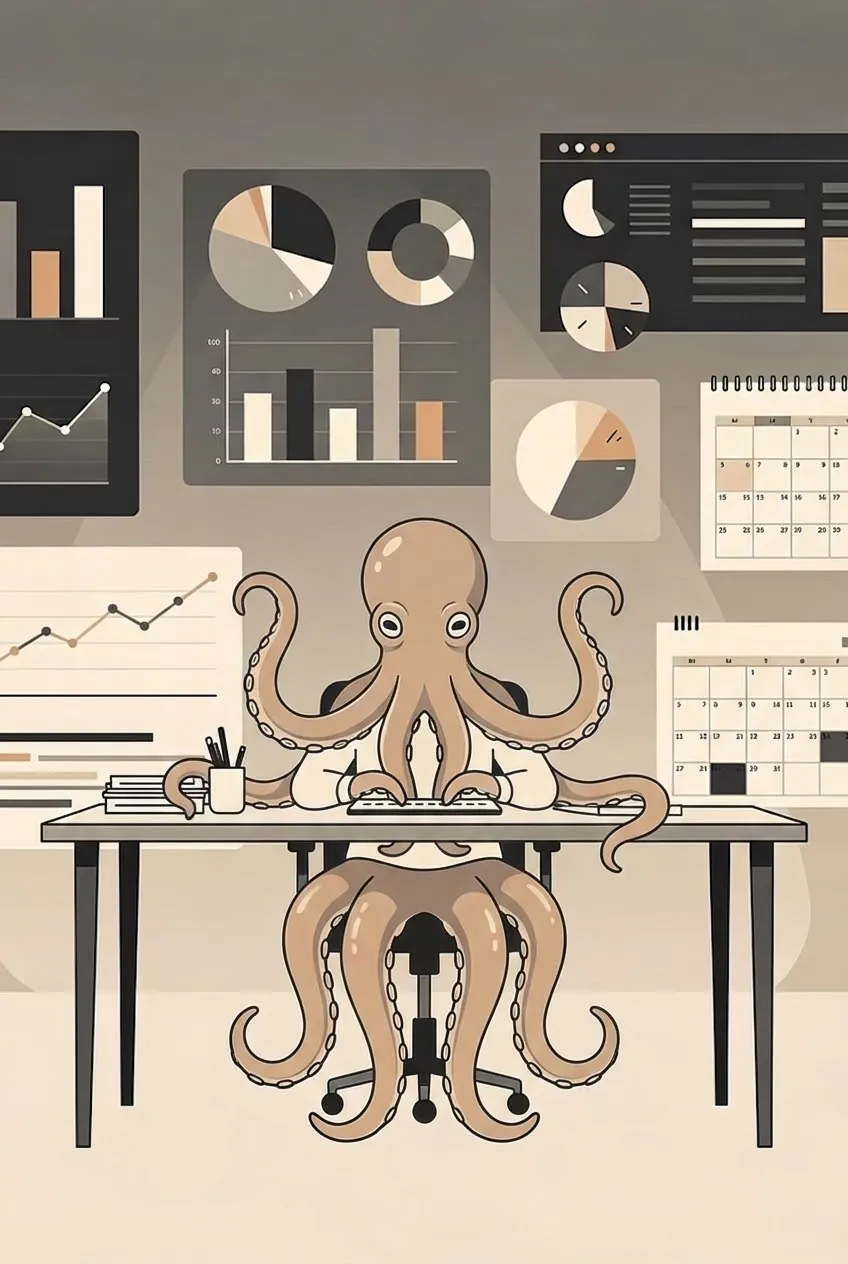
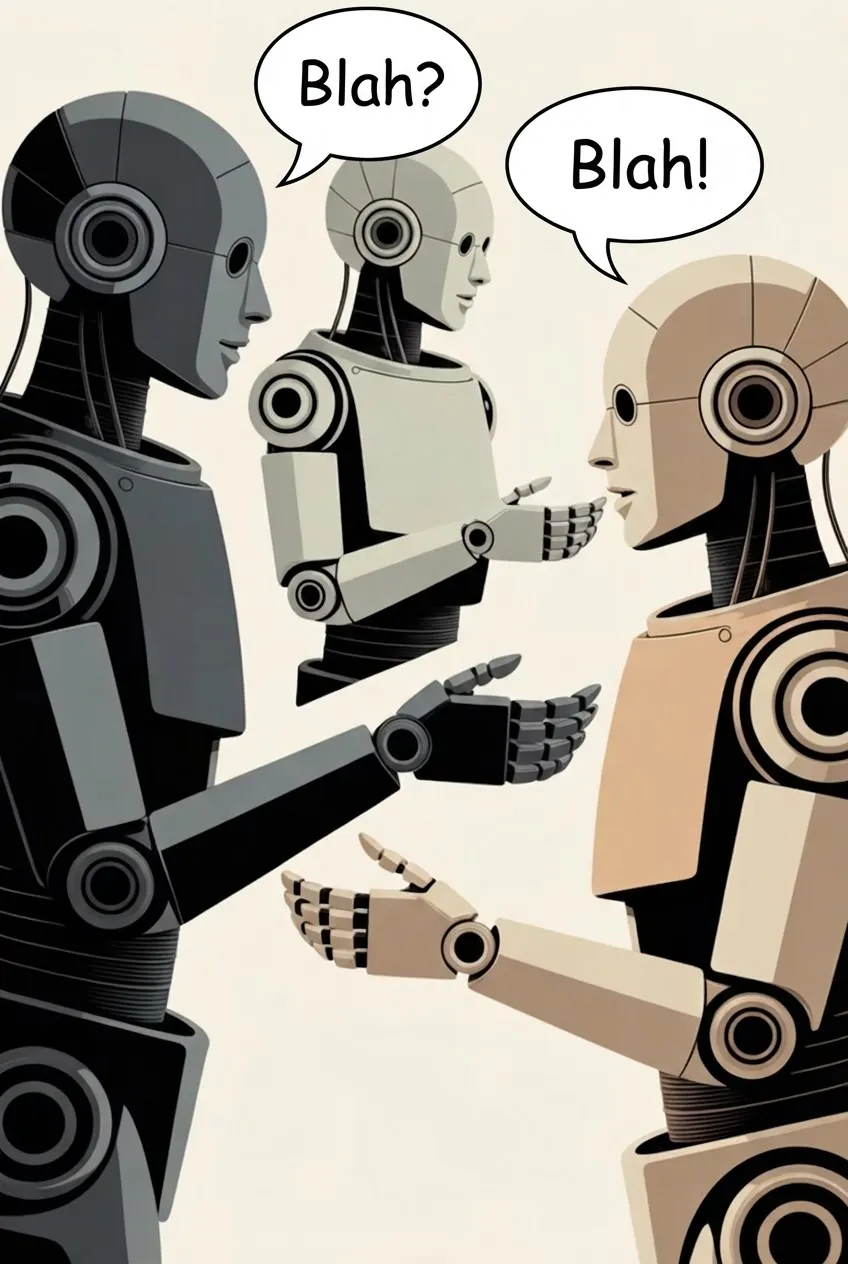
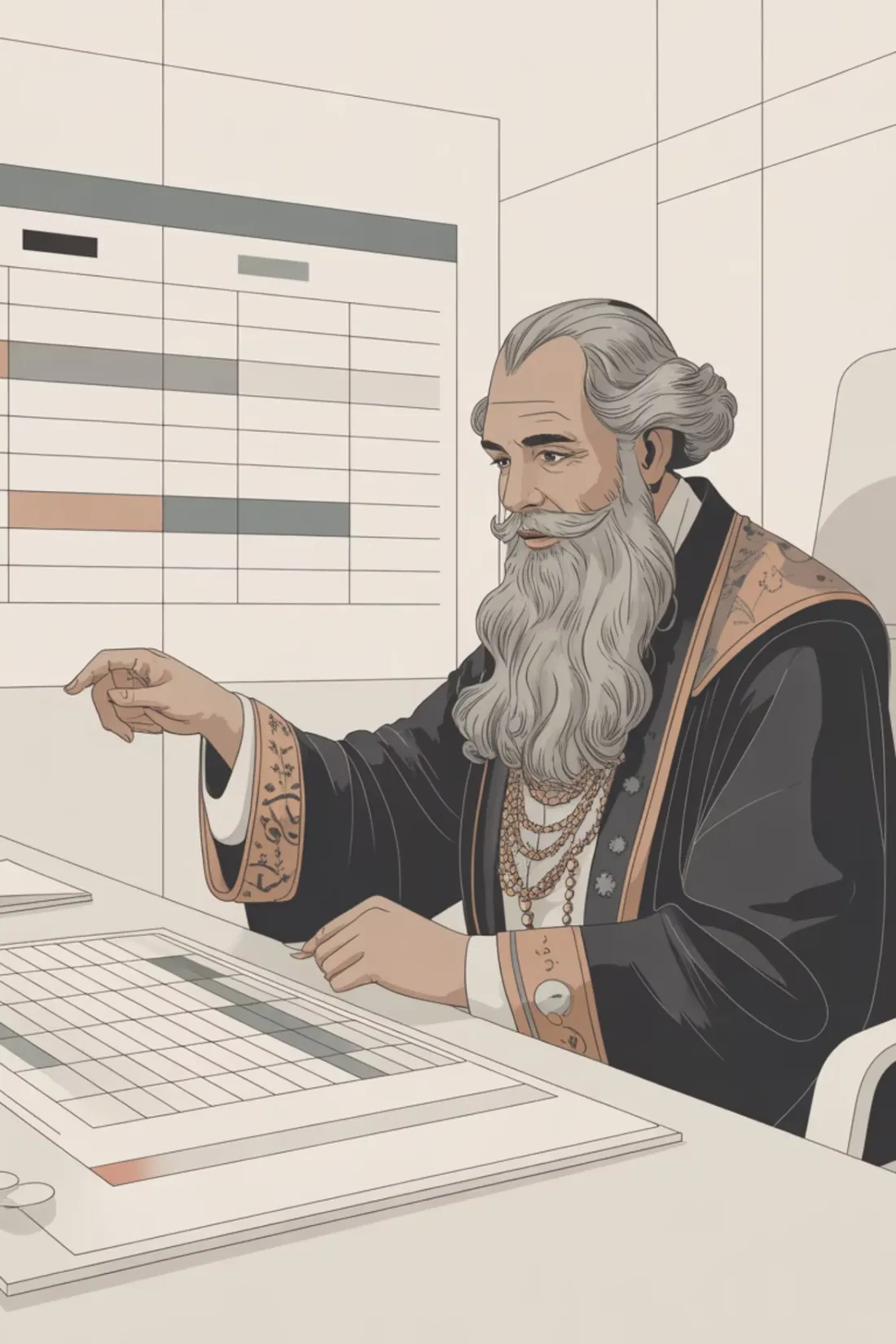
Field guide illustration: The Metrics Whisperer

The Metrics Whisperer

The Metrics Whisperer lives inside charts. It spends its days interpreting numbers the way some people read horoscopes—looking for signs, reassurance, and patterns that confirm what they already believe.

This species feels productive at all times. There is always a number to check, a delta to explain, a chart to refine. Growth stalls not because anything is broken, but because the story keeps changing.
Growth is discussed constantly. Causes are not.

Habitat

Executive readouts. Weekly performance meetings. End-of-quarter decks. Any place where numbers are abundant and time is short.

Identification

You'll recognize the Metrics Whisperer by phrases like:

"The data is telling us…"

"If you look at this trend line…"

"We just need one more week of signal."

Often Confused With

Discipline.
Accountability.
Rigor.

Why It Matters

The danger here isn't bad data. It's misplaced confidence. When interpretation replaces understanding, action becomes ceremonial.

Field note

When metrics start comforting you, they've stopped helping you.

Field guide illustration: The Optimizator

The Optimizator

The Optimizator takes the Metrics Whisperer one step further. This species doesn't just read the numbers—it acts on them immediately.

Every asset gets tuned. Every message gets tested. Every result gets squeezed for marginal gains. The system becomes incredibly efficient, right up until there's nothing left to optimize.

Habitat

Performance marketing teams. Growth pods. Any organization rewarded for short-term efficiency.

Identification

Common signs include:

Constant A/B testing with shrinking returns

Creative optimized into sameness

Performance improving while brand health quietly declines

Often Confused With

Effectiveness. Sophistication. Modern marketing.

Why It Matters

Optimization extracts value from what already exists. It does not create new demand. Run too long, it hollows out the very thing it's meant to improve.

Field note

You can optimize a system all the way to irrelevance.

Field guide illustration: The Engagement Maximalist

The Engagement Maximalist

The Engagement Maximalist is obsessed with response. Likes, views, saves, watch time—anything that proves someone reacted.This species is loud, busy, and often celebrated internally. Feeds light up. Reports look strong. The audience, meanwhile, learns to scroll faster.

Habitat

Social teams. Content calendars. Platforms that reward activity over memory.

Identification

Look for:

Content engineered to trigger interaction

Success defined by spikes

Difficulty explaining what any of it actually built

Often Confused With

Interest. Relevance. Cultural resonance. Data-driven decision making. Rigor.

Why It Matters

Engagement measures reaction, not intent. Maximizing it trains systems to reward the most reactive audiences, not the most valuable ones.

Field note

Noise is easy to generate. Demand is not.

Field guide illustration: The Attribution Ghost

The Attribution Ghost

The Attribution Ghost appears whenever someone asks, "But how do we prove it worked?"

This species haunts teams by demanding visible causality in environments where behavior is delayed, distributed, or invisible. It haunts conversations about brand, influence, and long-term impact.

Habitat

Post-campaign reviews. Budget justification meetings. Any discussion involving "incrementality."

Identification

You'll hear:

"If it didn't drive clicks, did it matter?"

"Can we attribute that sale?"

"Where's the proof?"

Silence often follows.

Often Confused With

Skepticism. Financial discipline.

Why It Matters

As decisions move upstream—into memory, explanation, and confidence—attribution becomes harder, not less important. The Ghost thrives when old measurement frameworks refuse to evolve.

Field note

If you only believe what you can see, you'll miss most of what matters.

Genus I · Summary

These species are not malicious. They are adaptive. They emerge when organizations reward certainty over understanding and speed over reflection. They feel safe. They look responsible. And left unchecked, they quietly steer strategy in the wrong direction.

Genus II

Visibility Species

Concerned primarily with being seen, surfaced, or mentioned. Often mistaken for relevance.

These species thrive wherever attention feels scarce and platforms keep changing the rules.They're driven less by belief than by anxiety about disappearing.
The mistake is assuming that being seen is the same as being chosen.

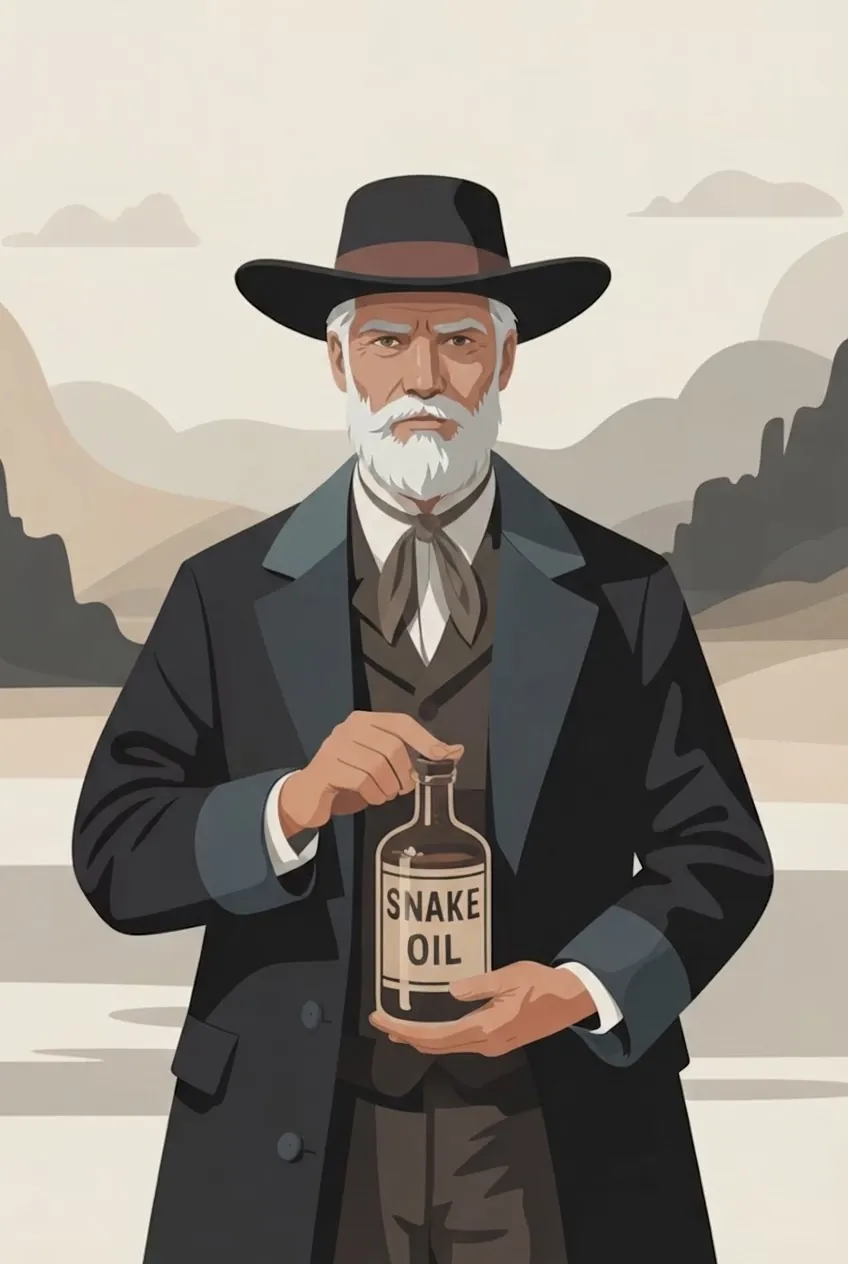
Field guide illustration: Aeo Snake Oil Purveyor

Aeo Snake Oil Purveyor

The Old AEO Snake Oiler is a familiar species wearing new clothes. It speaks fluently about "answer engines," "AI visibility," and "ranking in ChatGPT," but its instincts are rooted in an earlier era.

This species sells certainty in moments of change. It promises stability where none exists and treats screenshots as evidence of influence.

Habitat

Inbox pitches. LinkedIn carousels. SEO agencies that rebranded sometime last year.

Identification

Claiming to "rank" brands inside LLMs

Treating one-off citations as durable placement

Applying 2016 SEO logic to 2026 systems

Often Confused With

Future-proofing. Innovation. Early-mover advantage.

Why It Matters

AI systems don't retrieve pages the way search engines do. They collapse information into explanations. Selling placement inside that process misunderstands how the system works.

Field note

When the proof is a screenshot, the product usually isn't real.

Field guide illustration: The Best Practicer

The Best Practicer

The Best Practicer survives by never being wrong.

This species follows consensus closely, adopting whatever the industry agrees is "smart" at the moment. It's allergic to risk, deeply fluent in benchmarks, and extremely hard to criticize—because it always did what everyone else was doing.

Habitat

Large organizations. Procurement-heavy decisions. Anywhere safety is rewarded more than insight.

Identification

You'll hear:

"This is industry standard."

"Everyone's doing it."

"It's a proven approach."

Results are rarely exceptional. Neither are the consequences.

Often Confused With

Wisdom. Prudence. Maturity.

Why It Matters

Best practices create sameness. Sameness competes on efficiency, not meaning. And efficiency is a race you eventually lose.

Field note

Best practices are excellent at protecting careers. Less so at building brands.

Field guide illustration: The Features Hoarder

The Features Hoarder

The Feature Hoarder equates progress with accumulation.

Every update adds something new. Every release expands capability. Over time, the product becomes impressive to describe and difficult to use.

Habitat

Mature software. AI tools racing competitors. Products without strong editorial control.

Identification

Look for:

Long release notes that say very little

Interfaces that feel like zoos

Users who rely on only a fraction of what's offered

Often Confused With

Power. Flexibility. Sophistication.

Why It Matters

Capability without judgment creates friction. The more features accumulate, the less any single one matters.

Field note

More options don't make decisions easier. They delay them.

Genus II · Summary

Visibility species are not obsessed with attention for its own sake. They're responding to uncertainty. When platforms shift and rules feel unstable, the instinct is to grab onto anything that looks measurable, repeatable, or widely accepted. Visibility feels like safety. But being seen everywhere doesn't mean you're remembered anywhere.

Genus III

Velocity Species

Defined by speed, urgency, and a deep discomfort with standing still.

These species emerge when the environment starts shifting faster than people feel comfortable admitting. Movement becomes reassurance. Speed becomes virtue. And slowing down feels risky, even irresponsible.

Field guide illustration: The Panic Re-Platformer

The Panic Re-Platformer

The Panic Replatformer believes relevance is always one platform away.

When a new format rises, this species lunges. When a channel dips, it abandons ship.

Strategy is rewritten in real time and explained retroactively. Everything is framed as learning.

Habitat

Trend cycles. Channel launches. Moments when leadership asks, "Should we be there?"

Identification

You'll see:

Sudden pivots justified as experimentation

Content stretched thin across platforms

Teams constantly "catching up"

There's always activity. There's rarely accumulation.

Often Confused With

Agility. Responsiveness. Being modern.

Why It Matters

Velocity without direction doesn't compound. It exhausts teams and trains audiences not to expect consistency.

Field note

Speed without direction is just expensive chaos.

Field guide illustration: The Growth-At-All-Costs Brand

The Growth-At-All-Costs Brand

This species measures success by expansion alone.

More users. More markets. More channels. Trust, coherence, and reputation are treated as things that can be fixed later.

Habitat

VC-backed growth phases. Aggressive scaling moments. Board decks that celebrate size.

Identification

Common traits:

Fast expansion

Increasing churn

A widening gap between what's promised and what's delivered

Often Confused With

Ambition. Momentum. Winning.

Why It Matters

Growth amplifies whatever already exists. If trust isn't there, scale makes the absence obvious.

Field note

You don't outgrow trust problems. You spread them.

Field guide illustration: The Always-On Brand

The Always-On Brand

The Always-On Brand never rests.

There's always a post, a response, a reaction. Silence feels dangerous. Presence becomes a requirement instead of a choice.

Habitat

Social feeds. Real-time marketing teams. Brands terrified of missing a moment.

Identification

You'll notice:

Constant posting without clear purpose

Reactions to everything, ownership of nothing

Audiences tuning out quietly

Often Confused With

Engagement. Cultural participation. Relevance.

Why It Matters

Being everywhere doesn't make a brand meaningful. It makes it familiar — and then invisible.

Field note

Availability is not relevance.

Field guide illustration: The Chronos Brand

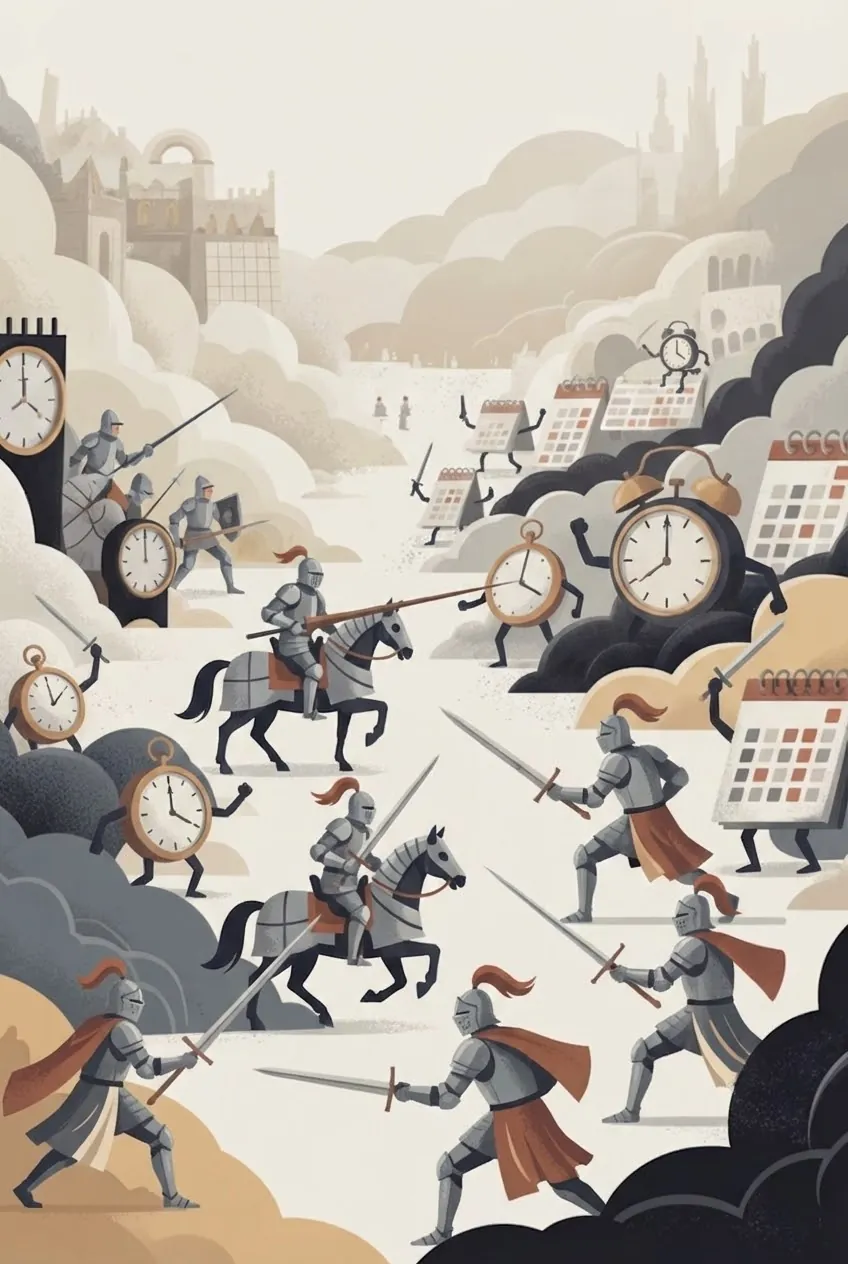
The Chronos Brand

The Chronos Brand operates on calendars, not culture.

It launches because it's time to launch.

It publishes because the schedule says so.

The work arrives on time, every time — and somehow still feels late.

Habitat

Content calendars. Annual plans. Campaign timelines locked months in advance.

Identification

Listen for:

"We're rolling this out in Q3."

"It's part of the 2026 plan."

"We've already committed."

The question of why now rarely comes up.

Often Confused With

Discipline. Reliability. Professionalism.

Why It Matters

Culture doesn't move in quarters. When timing is wrong, even good ideas feel late.

Field note

On-time is not the same as on-point.

Genus III · Summary

Velocity species mistake motion for momentum. They move quickly, often impressively, but rarely pause long enough to ask whether what they're doing is accumulating value or just burning energy. In a landscape that constantly urges speed, choosing when not to move becomes a strategic decision.

Genus IV

Form Species

Defined by how technology shows up — or doesn't.

Field guide illustration: Selective Intelligence

Selective Intelligence

Selective Intelligence appears when technology improves an experience without insisting on being noticed.

It does one thing well. It knows when to stop. It doesn't expand just because it can.

This species doesn't announce itself with features or roadmaps. It shows up quietly, makes something feel better, and disappears back into the background.

Habitat

Consumer hardware. Interfaces that reintroduce physical controls. Products that feel finished rather than endlessly extensible.

Identification

You'll spot it by:

One smart element instead of a system

Immediate usefulness

No explanation required

People don't ask what it does. They just use it.

Often Confused With

Minimalism, restraint, occasionally mistaken for underinvestment.

Why It Matters

Products that do too much make people suspicious. And rightly so. If you claim to be good at everything, you're either mediocre at most things — or terrible at a few.

Products that do one thing well feel clearly competent, and that competence builds trust.

Field note

When intelligence has manners, people trust it more.

Field guide illustration: The Minimalist Pretender

The Minimalist Pretender

The Minimalist Pretender is a genetic cousin of Selective Intelligence that removes things without improving the experience. Features disappear. Interfaces get emptier. The product looks cleaner. But nothing actually feels better.

Habitat

Rebrands. Simplification initiatives. Products chasing a "clean" aesthetic.

Identification

Common signs include:

Fewer features, same friction

Cleaner surfaces, unchanged outcomes

Design decisions that feel aesthetic, not functional

Often Confused With

Selective Intelligence. Good taste.

Why It Matters

Restraint without judgment is just subtraction. And subtraction doesn't automatically create clarity.

Field note

Removing things is easy. Choosing the right things is not.

Field guide illustration: Wellness Monitors

Wellness Monitors

(Formerly known as "motivation")

Wellness Monitors appear when care stops cheering and starts watching.

Early wellness tools encouraged behavior. Close your rings. Hit your steps. Try again tomorrow. This species does something different: it reports. It observes. It interprets.

Once it shows up, the relationship changes.

Habitat

Wearables. Mirrors. Bathrooms. Any place where bodies meet data.

Identification

You'll notice:

Biomarkers replacing goals

Metabolic, hormonal, or stress readouts

Fewer encouragements, more conclusions

The tone shifts from "You've got this" to "Here's what's happening."

Often Confused With

Self-care. Empowerment.

Why It Matters

Information carries weight. Once presented, it can't be unseen. Wellness Monitors demand a higher level of trust and sensitivity than motivation ever did.

Field note

Support feels light. Monitoring feels permanent.

Genus IV · Summary

Form species determine how technology feels before anyone decides whether it's useful. In a world crowded with systems eager to prove their intelligence, form becomes a filter. Products that show restraint feel considered. Products that overperform feel desperate. The difference is subtle — and once you notice it, hard to ignore.

Genus V

Authority Species

Defined by trust, continuity, and the ability to outlast cycles.

These species don't win by being fast, clever, or omnipresent. They win by being believed. Authority species accumulate trust slowly and spend it carefully. They are harder to build — and harder to replace.

Field guide illustration: The Decision-Layer Brand

The Decision-Layer Brand

The Decision-Layer Brand influences choice before action.

It rarely gets the click. It shows up during research, comparison, and confidence-building. By the time a purchase happens, the decision is already made.

Habitat

High-consideration categories. AI-assisted shopping. Zero-click environments.

Identification

AI influence without traffic

Brand mentioned but not visited

Attribution that never quite lines up

Often Confused With

Underperformance. Poor channel fit.

Why It Matters

Clicks are no longer the moment of choice. They're the final step after interpretation is complete.

Field note

If you're measuring the end of the decision, you're missing where it actually happened.

Field guide illustration: The Institution

The Institution

The Institution absorbs disagreement without collapsing.

It doesn't chase consensus. It doesn't panic under scrutiny. It evolves slowly, often frustratingly so — but that slowness is part of its legitimacy.

Habitat

Legacy brands. Long-standing organizations. Systems built to last longer than a single cycle.

Identification

Look for:

Resistance to over-optimization

Tolerance for internal disagreement

A sense of continuity across leadership changes

Institutions are rarely loved. They are relied upon.

Often Confused With

Bureaucracy. Inertia.

Why It Matters

Institutions fail not when they move slowly, but when they optimize away the very processes that make them trustworthy.

Field note

Speed creates momentum. Institutions create confidence.

Field guide illustration: The Institutional Wreckage

The Institutional Wreckage

Was an authority. Optimized itself into irrelevance. Now coasting on legacy trust while slowly eroding.

This species still has the trappings—the reputation, the reach, the recognition. But the substance is gone.

Habitat

Legacy media. Former category leaders. Brands that stopped earning trust.

Identification

Recognition without respect

Scale without influence

Nostalgia mistaken for relevance

Often Confused With

Heritage brands. Established players.

Why It Matters

Authority isn't permanent. It's renewed daily—or it rots.

The opposite of authority isn't obscurity. It's irrelevance with a legacy.

Field guide illustration: Creator-As-Institution

Creator-As-Institution

Creator-as-Institution looks less like a channel and more like a place.

This species builds trust through continuity, not virality. The work shows up regularly. The voice is consistent. The point of view doesn't swing wildly with the algorithm. Over time, audiences stop asking whether they agree — they start assuming intent.

Habitat

Long-form platforms. Subscription environments. Anywhere creators can speak without fighting for attention every day.

Identification

You'll notice:

A recognizable worldview

An audience that returns without prompting

Influence that persists even when reach fluctuates

The relationship feels ongoing, not transactional.

Often Confused With

Influencer marketing. Personal branding.

Why It Matters

As institutions weaken elsewhere, people are reassigning trust. Creator-as-Institution fills that vacuum by offering consistency when everything else feels unstable.

Field note

Authority doesn't announce itself. It accumulates.

Field guide illustration: The Quiet Category Leader

The Quiet Category Leader

The Quiet Category Leader dominates without shouting.

This species doesn't win headlines. It wins habits. It's often discovered late by competitors because it doesn't feel like a threat — until it's everywhere.

Habitat

Unsexy categories. Mature markets. Products people use without thinking about.

Identification

Common traits include:

Consistent performance without spectacle

Few campaigns, strong recall

Market leadership that doesn't need defending

Often Confused With

Being boring. Lacking ambition.

Why It Matters

In noisy environments, restraint reads as confidence. Quiet leadership compounds while others burn energy fighting for attention.

Field note

If you don't need to announce your position, you probably earned it.

Genus V · Summary

Authority species don't compete on novelty. They compete on continuity. In a landscape optimized for speed and reaction, these species endure by being predictable in the right ways and patient in moments where others panic. They don't chase trust. They let it build. And they protect it fiercely.

Genus VI

Stewardship Species

Defined by restraint, timing, and care for meaning over output.

These species are easy to underestimate because they don't optimize loudly. They protect coherence, standards, and memory — often at the expense of short-term efficiency. That tradeoff is the point.

Field guide illustration: The Taste-Led Brand

The Taste-Led Brand

The Taste-Led Brand operates with standards.

Not guidelines. Not vibes. Standards. Decisions are made with a point of view, and that point of view is enforced quietly. You can feel it in what the brand chooses not to do as much as what it does.

Habitat

Categories where sameness dominates. Environments where "best practices" are easy to copy and taste is not.

Identification

You'll notice:

Consistency across touchpoints

Fewer experiments, higher conviction

Choices that feel authored, not crowd-sourced

Often Confused With

Aesthetic minimalism. Personal preference.

Why It Matters

Taste scales trust. When people sense standards, they assume competence elsewhere — even without proof.

Field note

Taste isn't shown with better decoration. It’s a result of better decisions.

Field guide illustration: The Distinctive Brand

The Distinctive Brand

(a.k.a. The Memory Builder)

Doesn't chase discovery. Gets remembered.
This species invests in being unmistakable rather than everywhere. It operates with standards—not guidelines, not vibes. Standards.
Over time, recognition compounds into preference without requiring constant explanation.

Habitat

Crowded categories. High-choice environments. Places where attention is scarce and memory matters.

Identification

Look for:

Clear mental availability

Short descriptions that actually stick

Recognition without prompting

People know it before they see it.

Often Confused With

Being niche. Limiting reach.

Why It Matters

Discovery is fleeting. Memory compounds. Distinctive brands build value that survives algorithm changes.

Field note

If people remember you without seeing you, you're doing it right.

Field guide illustration: The Permission-Based Brand

The Permission-Based Brand

The Permission-Based Brand waits to be invited.

It earns attention through relevance and respect, not frequency or force. When it shows up, it feels appropriate rather than intrusive.

Habitat

High-trust categories. Relationship-driven markets. Brands that play the long game.

Identification

You'll see:

Low irritation, high acceptance

Engagement that feels voluntary

Fewer impressions, stronger relationships

Often Confused With

Low ambition. Playing it safe.

Why It Matters

Permission is a renewable resource. Force is not.

Field note

Attention given willingly is worth more than attention taken.

Genus VI · Summary

Stewardship species protect what others extract. Over time, it proves resilient. These species don't shout. They prioritize coherence over coverage, memory over metrics, and standards over speed. In systems that reward noise, stewardship looks inefficient. They endure.

Genus VII

Temporal Species

These species don't just ask what to do. They ask when. In a culture obsessed with speed, that question alone makes them stand out.

Field guide illustration: The Kairos Brand

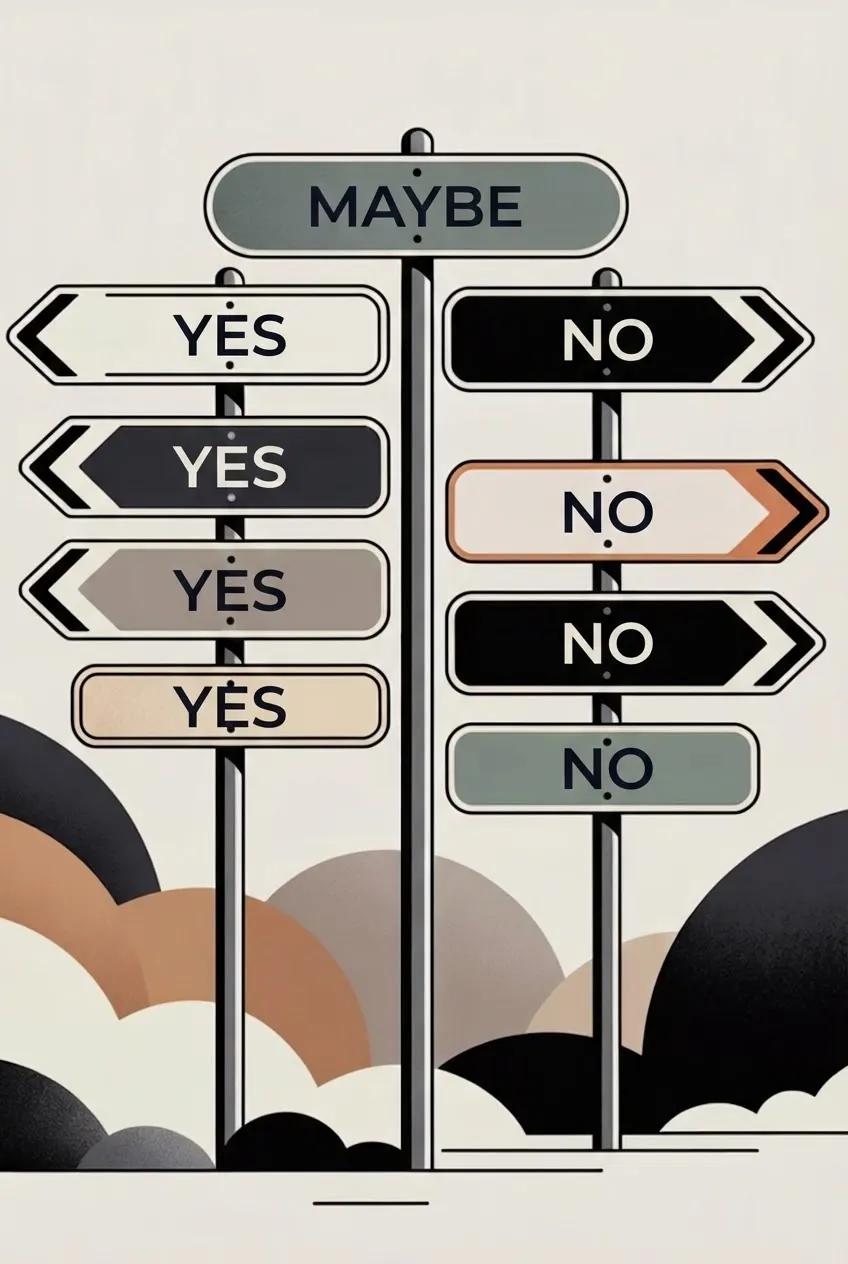
The Kairos Brand

The Kairos Brand moves when the moment is right — not when the calendar says it should.

This species is patient without being passive. It watches culture carefully, waits longer than is comfortable, and then acts decisively. When it shows up, it feels obvious in hindsight.

Habitat

Cultural moments. Shifts in sentiment. Times when everyone else is early or late.

Identification

You'll notice:

Fewer launches, better timing

Work that feels inevitable once it appears

Silence where others rush to speak

Often Confused With

Being slow. Missing opportunities.

Why It Matters

Timing creates meaning. The same idea, delivered too early or too late, becomes noise.

Field note

Right time beats fast every time.

Field guide illustration: The Glue Brand

The Glue Brand

Refuses to move at all.

Not patient like the Kairos Brand. Not adaptive like the Adaptive Brand. Paralyzed. This species mistakes stillness for stability. It confuses heritage with health.

Habitat

Mature categories. Family-owned businesses. Organizations with long tenures and short memories.

Identification

"We've always done it this way"

Change framed as risk, never opportunity

Legacy mistaken for strategy

Often Confused With

Heritage brands. Consistency. Discipline.

Why It Matters

Patience is a choice. Paralysis is a symptom.

Standing still is still a decision. Just not a good one.

Field guide illustration: The  Chameleon Brand

The Chameleon Brand

The Chameleon Brand learns faster than it scales.

Instead of locking into rigid plans, this species builds feedback into how it operates. It changes course without panic and evolves without losing itself.

Habitat

Volatile markets. Long arcs. Brands that expect change rather than fear it.

Identification

Look for:

Adjustments that don't feel reactive

Consistent values across evolving tactics

Calm responses to disruption

Often Confused With

Inconsistency. Indecision.

Why It Matters

Expertise decays. Adaptability compounds.

Field note

Stability comes from learning, not certainty.

Genus VII · Summary

Temporal species understand something simple and rare: speed is optional, but timing is not. They trade immediacy for resonance and trust that patience is not the same as hesitation.

Genus VIII

Navigator Species

Defined by how the person behind the brand steers under pressure.

Navigator species aren't brands. They're the organisms that shape brand behavior from the inside. A Metrics Whisperer brand usually has a Metrics Whisperer at the wheel. An Institutional Wreckage didn't wreck itself.

Field guide illustration: The Phantom Captain

The Phantom Captain

The Phantom Captain is technically steering. It signs off on briefs, approves campaigns, sits at the head of the table. But it never attaches itself to anything.

This species has mastered the art of strategic detachment. It delegates ownership without transferring authority. It "supports the team's direction" without ever being the one who set it. When the work succeeds, someone else gets modest credit. When it fails, the Phantom was never really the sponsor.

This is worse than absence. Absence is passive. This is camouflage.

The Phantom Captain learned — often from experience — that sponsoring ideas is how you get caught. So it stopped. It contributes in meetings, offers "thoughts to consider," raises flags without planting them. Over time, the brand loses authorship entirely. Not because no one had ideas, but because the person responsible for choosing never chose.

Habitat

Risk-averse organizations. Companies where failure is punished more than mediocrity. Second-term CMOs who survived the first one by staying clean.

Identification

Look for:

Work that no one claims but everyone approved
Post-mortems where accountability dissolves into "the team"
A leader who is somehow never associated with what went wrong — or right

The most telling sign: ask anyone on the team what the leader believes about the brand. You'll get a different answer every time.

Often Confused With

Delegation. Empowerment. Trust in the team.

Why It Matters

Brands need authorship. Someone has to choose what the brand believes, defend it when it's inconvenient, and accept the consequences when it doesn't work. The Phantom Captain removes that function from the org. What's left is a brand that looks managed but feels unled.

Field note

If no one can trace a decision back to you, you haven't been leading. You've been surviving.

Field guide illustration: The Process Dweller

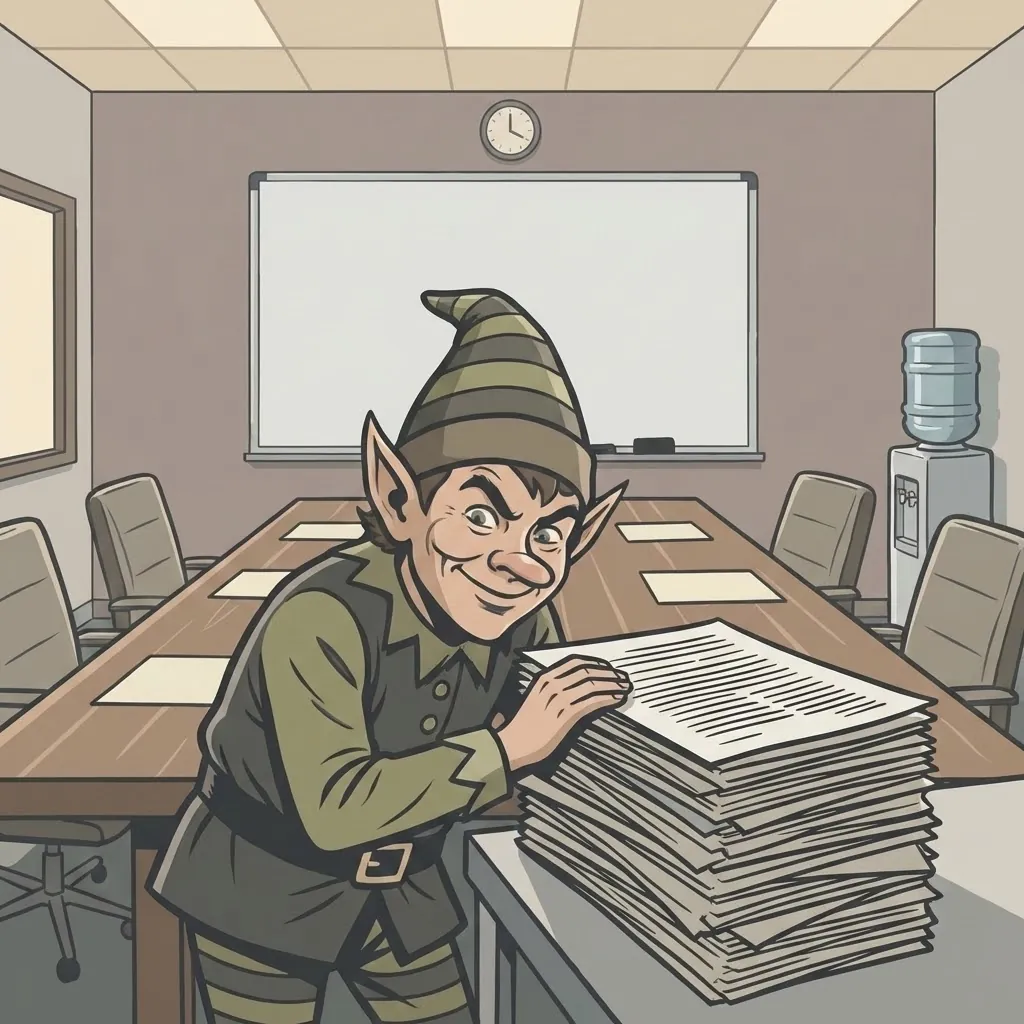
The Process Dweller

The Process Dweller is always in a meeting about the work.

Not the work itself. The meeting about the work. The pre-meeting. The alignment session. The sync. The check-in on the check-in.

This species is present, responsive, and well-liked. Teams feel supported. Calendars feel full. And somehow, when you look up six months later, nothing was actually steered. Decisions were made — or more precisely, decisions happened — but nobody can point to the moment someone chose a direction and held it.

The Process Dweller doesn't block work. It diffuses it. Every decision gets one more pass, one more stakeholder, one more meeting before it moves. By the time it ships, the original voltage is gone.

Habitat

Large marketing orgs. Matrixed companies. Anywhere "alignment" is treated as a prerequisite for action rather than a byproduct of clarity.

Identification

Calendars with no open space and no clear output
Teams that feel "supported" but can't name the strategy
Work that improves incrementally and never leaps

The phrase "Let's get everyone aligned" appears in every email.

Often Confused With

Collaboration. Servant leadership. Being organized.

Why It Matters

Process is how organizations scale decisions. But when process replaces decisions, it becomes the thing the brand is best at — managing itself. The market doesn't care how aligned your team was. It cares whether the work landed.

Field note

If your calendar is full and your brand is empty, you've been processed.

Field guide illustration: The Rosetta Leader

The Rosetta Leader

The Rosetta Leader speaks fluent CFO in the boardroom and fluent creative in the studio.

This species doesn't build consensus. It builds comprehension. The same strategy — the same idea, the same brand belief — gets translated into whatever language the room requires. Finance hears ROI and risk mitigation. Creative hears ambition and conviction. Product hears user value. The CEO hears narrative.

Habitat

Cross-functional orgs. Companies where marketing reports to finance. Anywhere the CMO needs the room's permission before they can use the room's budget. When finance defends a brand investment, a Rosetta Leader is usually nearby.

Identification

The same strategy described differently in every meeting — and landing every time
Internal resistance that dissolves without the strategy being watered down
A leader who is oddly popular across departments that usually don't agree

Often Confused With

Politics. People-pleasing. Being a generalist.

Why It Matters

Most brand strategies don't die in the market. They die internally — killed by a room that couldn't understand why the idea mattered. The Rosetta Leader is the reason some brands get to be brave. Not because the leader is fearless, but because they made bravery legible to the people holding the budget.

Field note

The best brand strategy in the world is worthless if no one in the building can explain why it matters in their own language.

Genus VIII · Summary

Navigator species determine whether a brand's strategy survives contact with the organization that's supposed to execute it. Every other genus in this guide describes external behavior — what brands do in the market, on platforms, in culture. This genus describes the internal behavior that makes all of it possible, or makes all of it pointless. Technically present, never accountable. The brand loses authorship entirely. THE PROCESS DWELLER Diffuses decisions through endless alignment. The brand manages itself. THE ROSETTA LEADER Translates strategy into every room's language. Bravery becomes legible. The difference between a brand that compounds and a brand that drifts is rarely the strategy. It's who's steering.

Genus IX

Endangered Species

These species don't dominate markets or headlines. They shape how people feel about brands long after the interaction ends.

Field guide illustration: The Calm Brand

The Calm Brand

(a.k.a. The Brand That Knows When to Leave You Alone)

The Calm Brand competes without urgency.

It doesn't confuse attention with love or presence with importance. It knows when to speak — and when to step back.

Habitat

High-trust environments. Brands confident in their place.

Identification

You'll feel:

No pressure

No chasing

No anxiety

The relationship feels easy.

Often Confused With

Being passive. Lacking ambition.

Why It Matters

Calm signals confidence. Confidence invites trust.

Field note

If you don't need to be loud, you probably don't need to be.

Field guide illustration: The Human-Only Brand

The Human-Only Brand

(a.k.a. The Post-Optimization Brand)

The Human-Only Brand leans into authorship and imperfection.

It resists the urge to smooth everything out. It allows friction, texture, and personality to remain visible. Judgment outweighs metrics.

Habitat

AI-saturated environments. Cultural backlash moments. Places where humanity has become scarce.

Identification

You'll see:

Clear authorship

Intentionally imperfect edges

Decisions that feel personal

Often Confused With

Being inefficient. Leaving money on the table.

Why It Matters

As systems optimize everything, humanity becomes the differentiator.

Field note

Perfection is forgettable. People are not.

Field guide illustration: The Explainable Brand

The Explainable Brand

The Explainable Brand doesn't just have a story. It has a story that travels well. This species is easy to summarize, recommend, and contextualize. When someone asks "What makes them different?" or "Who are they for?" the answer is immediate and consistent—whether it comes from an AI, an employee, or a customer.
The brand isn't trying to be everything. It's trying to be unmistakable.

Habitat

AI-mediated discovery. Conversational search. Research-heavy purchases. Any environment where recommendations happen without the brand in the room.

Identification

Look for:
Fewer keywords, more reasoning
Consistent "because" statements across channels
Easy third-party recommendations
Stories that don't require footnotes
When people explain the brand to others, they all say roughly the same thing.

Often Confused With

Simplicity. Niche positioning. Having good messaging.

Why It Matters

As AI systems mediate more decisions, brands need to be easy to explain—not just easy to find. If a system can't confidently summarize what you do and why it matters, you don't exist in that conversation.
Clarity compounds. Complexity disappears.

Field note

You're not being ranked. You're being explained.

Field guide illustration: The Paradox

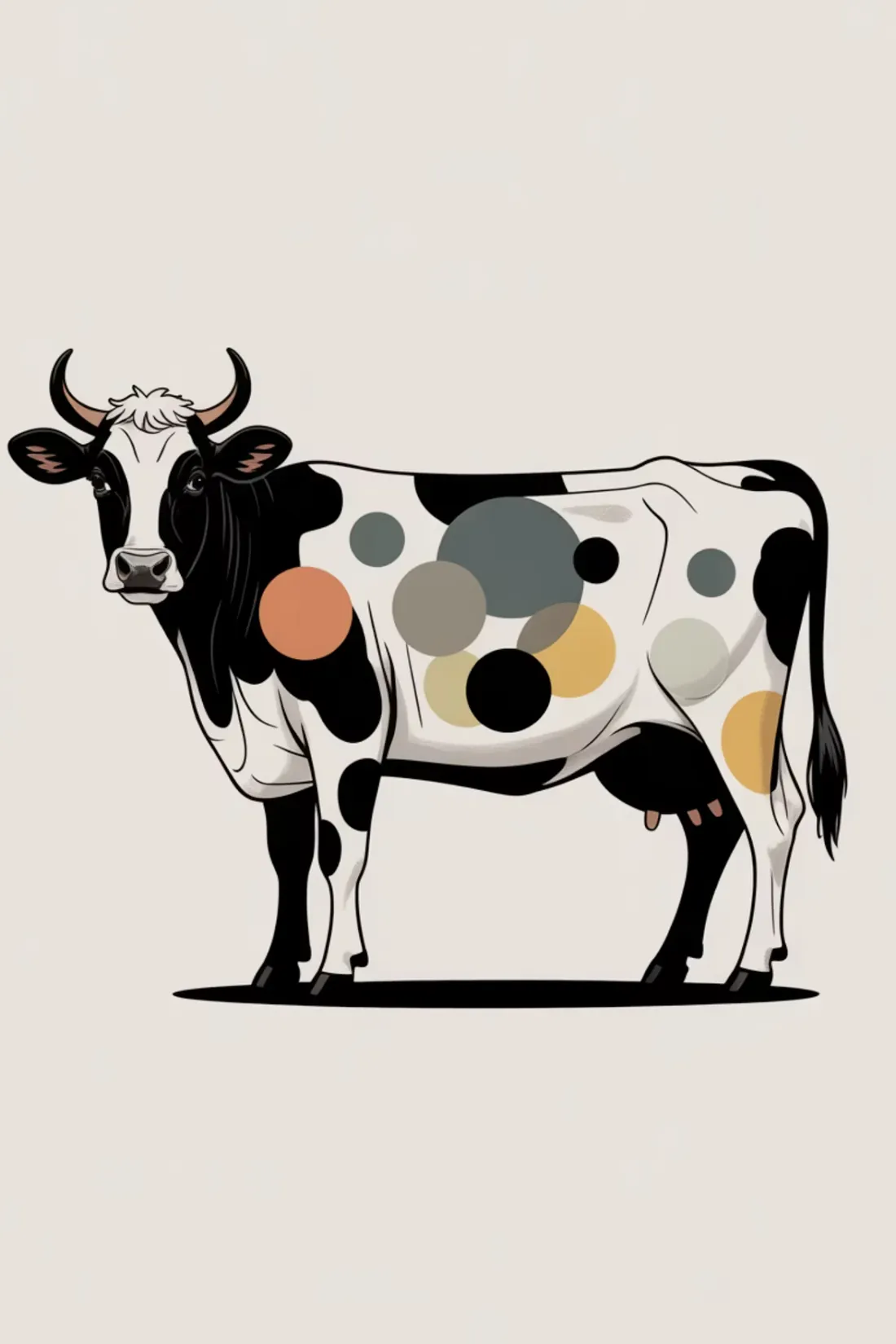
The Paradox

Rare sighting

The Living Paradox holds two contradictory truths at the same time and doesn't flinch.

The brand must evolve to stay relevant. The brand must stay consistent to be trusted. These feel like opposites. For most leaders, they are — and the result is either stagnation disguised as heritage or reinvention disguised as progress.

The Living Paradox resolves this by separating what's fixed from what's flexible. Essence is fixed — what the brand believes, what it stands for, what it refuses. Expression is flexible — how that belief shows up in language, design, format, and timing. The belief doesn't change. The costume does.

This species changes how the brand speaks without changing what it says. It updates the tone without rewriting the thesis. It reads culture carefully — not to chase it, but to find the precise moment where the brand's permanent truth intersects with a temporary cultural shift. When it moves, the work feels both inevitable and surprising.

Habitat

Long-tenured brand leadership. Companies in the middle of cultural transitions. Markets where the consumer is changing faster than the category.

Identification

A brand that feels current without feeling like it's trying
Expression that evolves across campaigns while the core message stays locked
A leader who says "no" to trendy executions but "yes" to uncomfortable formats
Longtime employees who describe the brand the same way new customers do

The surest sign: the brand from five years ago and the brand today are clearly the same organism — but you can't quite explain what changed.

Often Confused With

Good taste. Strong brand guidelines. Just being talented.

Why It Matters

Consistency without evolution is a museum. Evolution without consistency is a rebrand every two years. The Living Paradox is the reason some brands feel like they've always been exactly where culture is right now — because someone understood that staying true and staying current aren't opposites. They're the same discipline, practiced simultaneously.

This is the hardest species to become. And the one most worth studying.

Field note

The paradox of branding is that you have to change to match the time in order to stay consistent to yourself. The leaders who understand this don't resolve the tension. They live inside it.

Genus IX · Summary

These species don't promise scale. They promise coherence. They don't optimize for the system. They optimize for the relationship. And in a landscape shaped by automation, algorithms, and acceleration, that may be the rarest trait of all.

Final field note

If you made it to the end, a few things probably feel clearer — and a few might feel more uncomfortable.

That’s usually a good sign.

Field guides aren’t meant to tell you what to like or what to do. They’re meant to help you stop misidentifying things. To recognize patterns before you optimize them. To notice when something looks familiar because it’s working — and when it looks familiar because it’s failing in the same way everything else has failed before.

What stood out most while assembling this guide wasn’t any single species.
It was how often the same behaviors kept showing up in different forms, wearing different labels, across different industries.

Mindless optimization disguising itself as progress. Visibility masquerading as relevance.
Speed mistaken for momentum. Care quietly sliding into control.

None of these are new. What’s new is how fast they propagate, how cleanly they’re packaged, and how confidently they’re sold as inevitabilities.

At the same time, the most resilient patterns weren’t flashy. They were restrained. Coherent. Patient. Often misunderstood while they were forming.
Brands that do one thing well.
Systems that know when to stop.

Voices that build trust through continuity instead of spikes.
Decisions made with judgment instead of panic.

If there’s a single takeaway from this guide, it’s this:
Most strategic mistakes don’t come from bad ideas. They come from misreading the situation.

We confuse noise for demand.
We confuse activity for progress.
We confuse visibility for influence.
We confuse care for control.

Once you start seeing these patterns clearly, you can’t unsee them. And that’s the point.

This guide isn’t here to future-proof you.
It’s here to help you recognize the present.

Because the brands that endure rarely win by chasing what’s next.
They win by understanding what’s actually happening — and choosing deliberately how to respond.

Out in the field, that difference is everything. Next time someone says 'we need to move faster,' ask: faster toward what?
That one question will tell you which species you're dealing with.
NB

BACK TO THE NUANCE COLLECTIVE ↗