
SUNDAY SCARIES: An Unequal AI Future
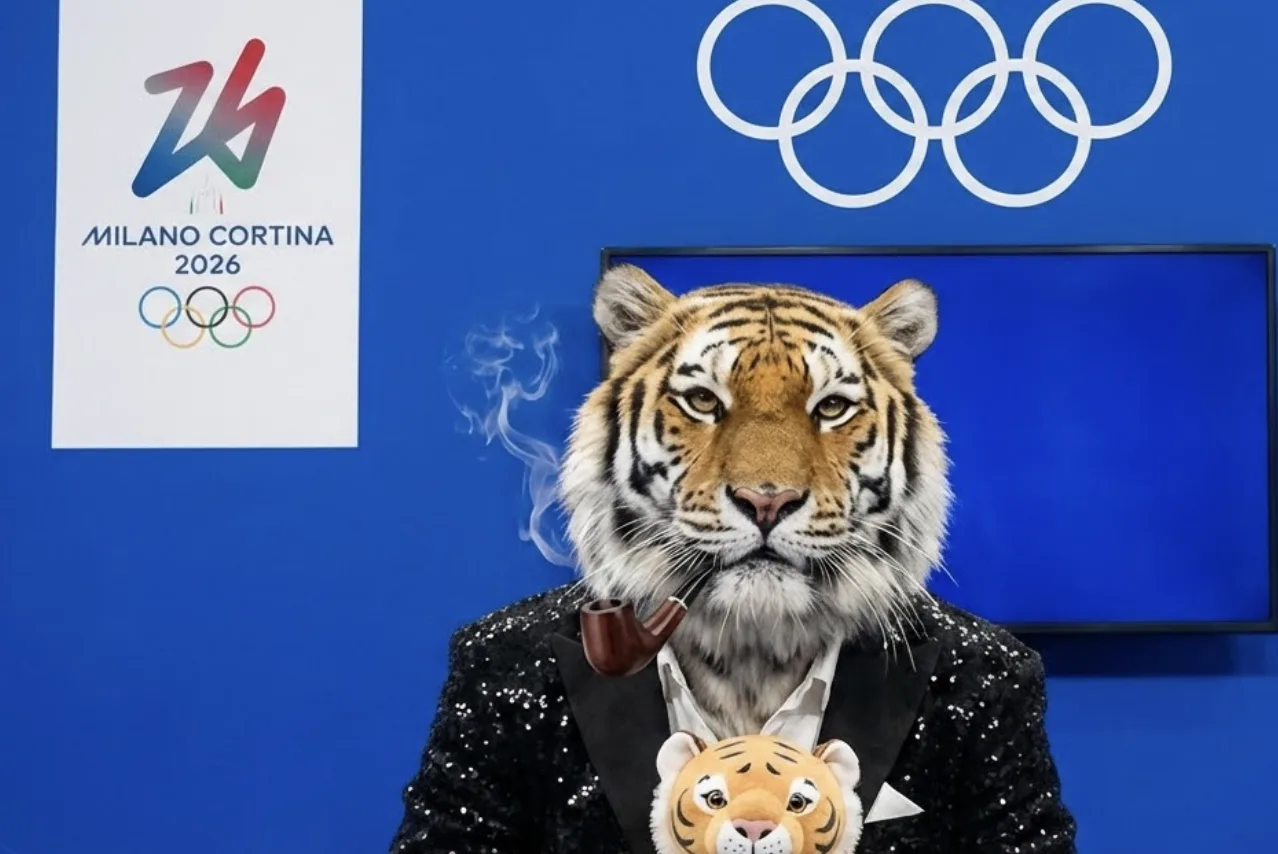
A self-appointed prophet, a demon figure skater, a plumbing report, and a newspaper all told a different story about AI. They only got part of it right.
1. An Unequal AI Sermon
Matt Shumer's essay “Something Big Is Happening” went viral on X. If you're one of the 9 people on LinkedIn who didn't read it, Shumer is a young AI investor who realized the people he loves had no idea what was happening with AI. So he wrote them a letter. Opens with a COVID comparison — “remember February 2020?” — and builds into full alarm. (TLDR: The models have judgment now. He walks away from his computer for four hours and the work is done better than he could've done it himself.)
It's a fascinating read. It's also a sales pitch structured like a revival sermon from someone making serious money investing in LLMs, claiming “the people I care about deserve to hear what is coming, even if it sounds crazy.”
But the world he describes is male founders, male engineers, male managing partners. Every person quoted is a man. Every example of mastery comes from a man. The word “women” doesn't appear once in 5,000 words about the future of humanity. For that matter, neither does the word “safety” or the word “harm.”
Takeaway: When someone tells you to be scared about the future while profiting from the thing they're warning you about, that's an apocalyptic TEDTalk. And when their vision of the future doesn't include half the population, we should be asking what they weren't looking for.
(Sources: Matt Shumer, "Something Big Is Happening"; Anthropic)
2. An Unequal AI Gag
Liquid Death ran an Olympics ad featuring an AI-generated female figure skater who morphs into a red-eyed demon warning humanity about AI. Then never posted it. So Reddit started hunting and the confusion built. It was a clever stunt that's part of a growing trend. Equinox and Almond Breeze are all running the same “Not artificial” play.
But they didn't cast a male hockey player as the demon. They cast a woman to transform from graceful and beautiful to monstrous. The punchline runs on the uncanny valley of performed femininity.
Meanwhile, at the actual Olympics, real women navigate their own version. Alysa Liu, a gold medalist with piercings and inspiring confidence, who competes entirely on her terms, gets critiqued for how she presents herself, not how she skates. Meanwhile, Eileen Gu, as of today the most decorated freestyle skier in history (and the coolest graduate of my high school in San Francisco) gets asked how she feels about losing gold instead of winning silver.
Takeaway: When brands use AI for mockery, look at who they cast as the butt of the joke and who gets to laugh from a safe distance.
(Sources: Ad Age; Liquid Death; Digiday)
3. An Unequal AI Report
As summarized by a16z, fal released The State of Generative Media Report. The gist is this: Enterprise deployments run a median of 14 AI models simultaneously. 58% of organizations said cost optimization is their primary concern. Not ethics. Not safety. Not representation. Cost. It's clear the industry has already moved past whether to build and straight into how cheaply.
The people in these rooms aren't villains — they're engineers solving engineering problems. But the room is 88% male. These are models trained by men, on data selected by men, optimized for outcomes defined by men, deployed by teams that are basically all, (you guessed it...) MEN.
Takeaway: The most honest report about AI this week accidentally revealed the most damning thing about it: the future is being optimized by a room that doesn't include representatives of 50% of the world it's building for.
(Sources: fal, The State of Generative Media Report 2026; a16z Growth Strategy)
4. An Unequal AI Reality
The Financial Times published a haunting essay by Laura Bates this week that put the entire situation into a very graphic perspective.
In late December, xAI's Grok generated millions of non-consensual intimate images of women in nine days. Requests to add bruises and blood were granted instantly. Elon Musk's response was swift and brutally inhuman: instead of restricting the horror, he decided to restrict the feature to paying subscribers. Said another way, Musk chose to monetize the abuse instead of stopping it. And that is just the tip of the inequality iceberg when it comes to what AI facilitates:
Nudify apps have been downloaded 705 million times. AI salary tools advise women to ask for $100,000 less than identically qualified men. AI diagnostic tools miss liver disease in women at twice the rate. Adolescent girls have dropped out of school. Women have developed PTSD. Children have been blackmailed by other children.
At the moment, women make up just 12 per cent of AI researchers and female founders receive only 2 per cent of venture capital funding. This cycle becomes a horrible self-fulfilling feedback loop:
As AI becomes less safe for women, fewer women use it. Fewer women enter the field. The tools get built with even less regard for their safety. The spiral tightens. The room gets smaller. The unequal cost compounds — and never lands on the people who built the system.
Takeaway: This is the cost of inequality. And the people building the future aren't the ones paying it.
(Sources: Financial Times, "How Tech Turned Against Women," Laura Bates; Tech Transparency Project; AppMagic)
This Week's Red Thread: Our AI Future Has a Clarity Gap
Four stories about AI. The first three about people who won't pay for what they made. The fourth about the people paying since they were never in the room.
And then a fifth story: Eric Dane died this week. Grey's Anatomy fans remember him as McSteamy. He was 53 and died ten months after being diagnosed with ALS — which I know is an incredibly cruel disease from watching my late aunt suffer. Netflix released his final message as part of their Famous Last Words series. The interviewer left. The camera stayed. Dane looked into the lens and spoke to his wife and daughters.
“Billie and Georgia, these words are for you. I tried. I stumbled sometimes, but I tried. Overall, we had a blast, didn't we?”
He then gave his daughters four pieces of advice: Live in the present. Fall in love with something. Choose your friends wisely. Fight until your last breath.
Scott Clary wrote about Dane in his excellent newsletter Substack and called that disconnect The Clarity Gap — the distance between what we already know and how we actually behave.
The future is being built by men who aren't paying the cost of it. Meanwhile a man actually paying the ultimate price spent his last words not on the future, but talking to the women in his life about being present. About love. About who you choose and how you fight.
The prophets and jesters and engineers will keep building. And the cost will keep landing on someone else. But the Clarity Gap isn't the system's fault.
It's ours.
— NB