
SUNDAY SCARIES: 2026 Is the Year of the Opt-Out
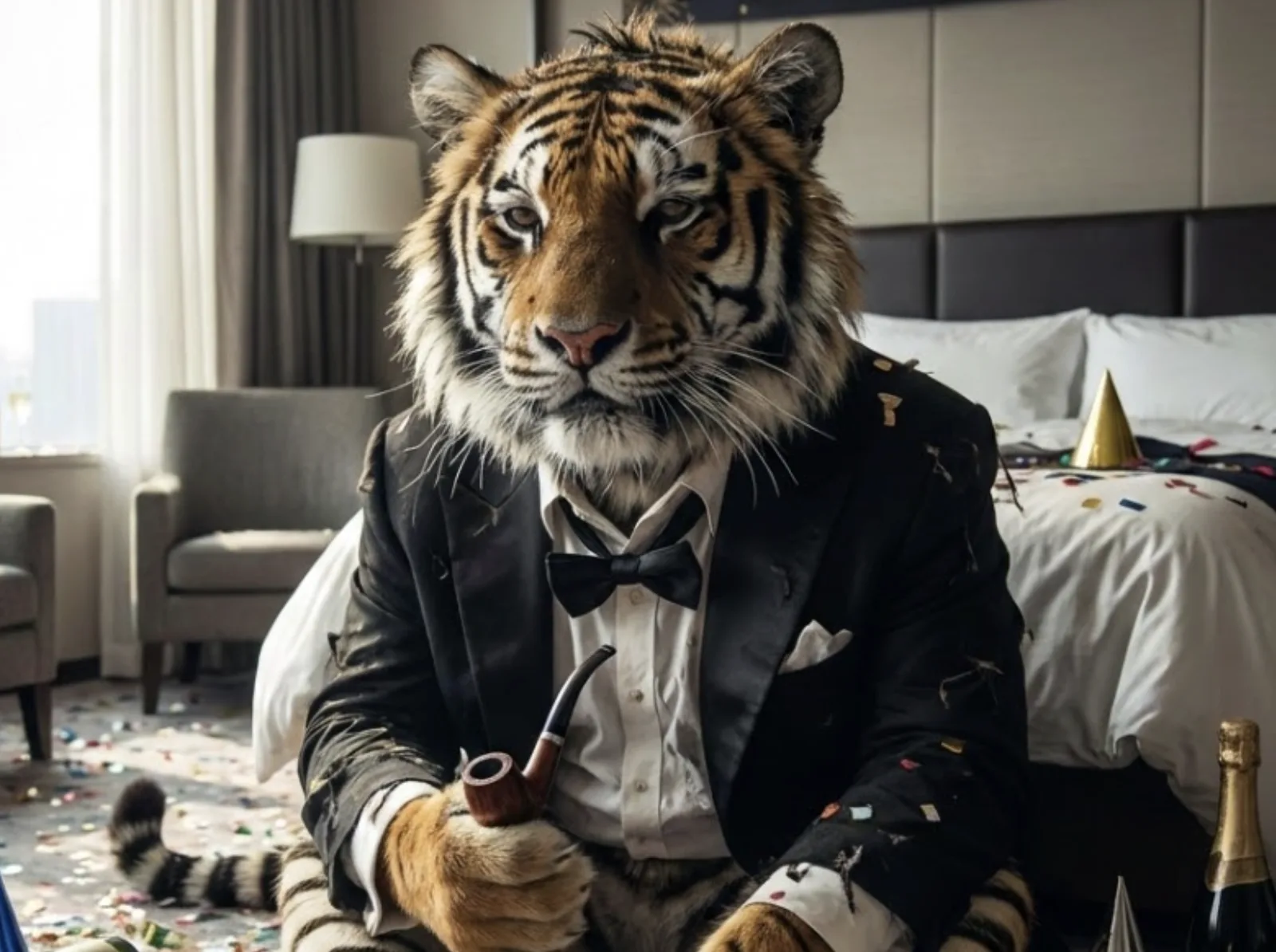
2026 is the Year of the OPT-OUT and choosing LESS.
1. Opting Out of Reachability
Long before WTF was an acronym, being reachable was a corporate job requirement that came with the bonus. Recently, it's become more universal. The texts, Slacks, pings, “quick calls,” and the silent expectation that you're always half-on are the longest-lasting side effect from COVID.
And now comes the pushback: Europe started the fight with “right to disconnect” laws, which is a polite way of saying: leave me alone. But Apple's Focus Modes are becoming default behavior. Executives have started bragging about deleting email from their phones. And the NYT declared “dumb phones” the hottest accessory for 2026.
What's telling isn't that people want less tech. It's that being unreachable without consequence is turning into a privilege. A gig worker can't disappear the way a senior salaried worker can (I refuse to call anyone a “knowledge worker”). And a service employee can't delay a response the way a manager can.
Takeaway: Reachability has become a class signal. The people who can opt out of being constantly available are quietly holding the leverage.
(Sources: NYT 2026 Trends; Microsoft Work Trend Index; EU/UK right-to-disconnect laws; Apple iOS data)
2. Opting Out of Decisions
The second opt-out decision is abdicating — or just deferring — the act of deciding altogether. When you look closely at the behavioral adoption of AI shopping, auto-reordering, recommendation engines, and even Netflix's autoplay use, none of these are utilized just to save time. They exist to remove the need to decide at all:
“Hey ___, Buy/Show/Play/Give me what I got last time.”
It's emotional exhaustion. 2025 asked so much of us, we're just tired of it. Choice is supposed to feel empowering but the sheer amount of things we choose every day makes it feel like unpaid cognitive labor. Retailers understand this, which is why AI is sold as relief. But the relief has an agenda and when the system doesn't help you choose, it chooses for you.
The re-discovery of BNPL by younger consumers is where it gets extra complicated. Because instead of thinking long enough about whether you can afford something, you've already agreed to buy it on a payment plan extending monthly until 2044.
Takeaway: People are opting out of everyday decisions to preserve energy for what matters, sometimes at the cost of making bigger, harder-to-reverse choices down the line.
(Sources: Amazon, Walmart, Target AI shopping pilots; Netflix autoplay; Schwartz behavioral economics research)
3. Opting Out of Reality
I am not an active bettor, but I personally got more ads for Kalshi between December 20 and January 1 than I did for any other single brand. Sports betting is already massive, but prediction markets have ballooned in popularity, with combined betting volumes on Kalshi/Polymarket going from $100M per month in early 2024 to over $13B in November of 2025.
The future becomes a wager. Consequences become entertainment. Outcomes become odds. At the same time, the reality of political, economic, and environmental news cycles swirls nonstop. Everyone knows something is wrong and betting becomes an emotional buffer. (Kalshi currently has 5% odds that Trump is personally running Venezuela by the end of 2026 and Polymarket ran a contract for “Will Jesus Christ return in 2025?” that had over $3.2M in volume.)
When you can bet on outcomes, meme disaster, or scroll through existential dread between meetings, reality becomes something you observe, trade, or joke about — not something you feel a part of, let alone obligated to change.
Takeaway: Life is becoming a spectator sport because it feels too unstable to inhabit directly. It's easier to bet on misery than admit how miserable things feel.
(Sources: Business Insider; Kalshi/Polymarket; NYT; Google Trends)
4. Opting Out of Personal Narrative
For a decade, everything required a story. Your career arc. Your wellness journey. Your values. Your growth. Explanation became mandatory. Then “Context” was discovered by media people like they landed on Mars, and so it collapsed instantly into a broken product, which made every audience the wrong audience.
So ordinary people are doing less of it. Fewer updates. Fewer explanations. Soft launches instead of announcements. No-context posts that say just enough and nothing more.
At the same time, interfaces are shifting toward voice, ephemerality, and ambient interaction — the types of styles and human modes that don't leave behind perfectly documented narratives. It's as simple as, “You say something. It happens. It passes.”
In 2026, maybe narrative itself is becoming optional. Not from apathy, but from confidence.
Takeaway: People are opting out of explaining themselves. Opacity is becoming another form of protection.
(Sources: NYMag; Pew Research; Marwick & boyd; TechCrunch/OpenAI)
This Week's Red Thread: Opt-Out Is Self-Defense
Opting-out isn't about disengagement. People aren't pulling away because they don't care.
People are pulling away because everything asks too much — attention, speed, explanation, opinion, participation. Every system wants a piece of you, preferably right now, preferably forever.
So people opt out. Not dramatically. Not loudly. Selectively. Strategically.
Out of being constantly reachable. Out of answering everything. Out of facing everything. Out of producing their lives for an invisible jury.
But don't confuse it for nihilism. It's simply our own calibration.
In a world optimized for maximum extraction (of our time, attention, emotion, identity), opting out is how people reclaim autonomy. Not by doing nothing, but by doing less on purpose.
This began in 2025, but in 2026, I believe that success won't belong to the loudest, fastest, or most optimized. It will follow the people, brands, and systems that understand a simple truth:
Humans don't reward the ones who demand the most. We reward those who respect the limit.
Said another way, joy comes from asking LESS. And that clarity comes from choosing what not to engage with.
Because sometimes opting out is the most human move we can make.
— NB