SUNDAY SCARIES: The Spooky Edition — Fear
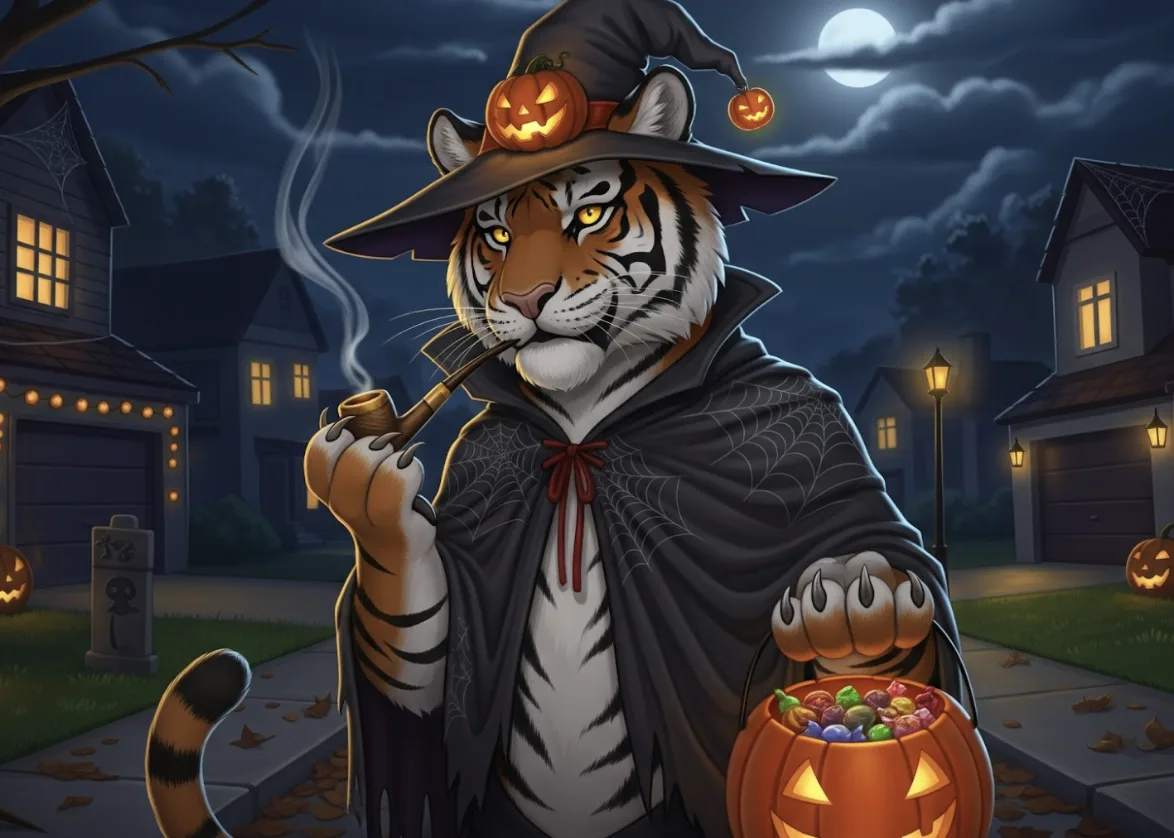
Since Friday was Halloween, this week is an exploration of the less spooky type of FEAR.
1. The Ghost in the Machine
Cindy Rose's first act as WPP CEO was to promise “simplification.” Every agency ghost clapped politely from the afterlife. But simplification isn't strategy; it's anesthesia. It sounds responsible, but it's really a séance for control — a way to exorcise chaos instead of learning how to create inside it. On what seems like the eve of the loss of DDB, the agency that helped to define the very concept of an agency in America, it's important to call out the false narrative that agencies are dying from a lack of AI. They're not.
Agencies are dying from a lack of identity — too scared to have conviction, too tired to sound alive, too busy pretending that clean lines are clarity. Chaos is easy to see but the fear is fatal.
Takeaway: Fear disguised as focus kills more than the vibe. Simplify the process without amputating the personality.
(Sources: WPP earnings call; Ad Age; Agency Core Executive Summary Report 2025)
2. The AI Arms Race
Big Tech has officially turned into The Conjuring: Quarterly Earnings Edition. Amazon, Microsoft, Meta are making money but their investments show them just chasing innovation, while trying to outrun irrelevance. And AI spending has become the corporate Ouija board.
Everyone's asking it questions they're too afraid to answer themselves: Will we still matter? Will anyone notice if we don't? $400 billion later, they're still waiting for the planchette to move. It's not progress; it's panic with venture backing. When fear drives your innovation agenda, you don't build the future — you industrialize anxiety.
Takeaway: Fear disguised as ambition is still fear. Progress without purpose is just expensive panic.
(Sources: Wall Street Journal; Financial Times; Reuters)
3. The Synthetic Holiday
This year's “Chronically Online Halloween” was peak meta: costumes for people who spend all year dressed as algorithms. We don't want to be recognized; we want to be referenced. Irony has become our invisibility cloak.
It's safer to wink than to feel, safer to post than to participate. But when identity becomes a costume, nobody's actually in the room. It means we've optimized connection into just performance: clever, clickable, completely hollow.
Takeaway: Fear disguised as belonging still leaves you alone at the party. Sincerity is scarier than any costume, but it's also what makes connection possible.
(Sources: Dentsu Creative; Campaign US; Ad Age Culture Report 2025)
4. The Chicken or the Algorithm
The pizza wars may just be the most honest mirror we've got. Domino's keeps sounding human — cheeky, imperfect, a little unhinged — while everyone else is performing hunger through promo codes. They've remembered what most brands forget: hungry is an active state, and it's not mid-funnel thinking. Because appetite isn't logical and you can't algorithm your way to craving. Fear of losing the draw of deals has turned creativity into calorie counting.
No risks. No spice. No mess. Just the same flavor of “safe.” But people don't fall in love with perfect. They fall in love with whatever still burns a little.
Takeaway: Fear disguised as growth tastes bland. No matter what you're selling, if your marketing has no flavor, don't be surprised when no one wants a bite.
(Sources: Ad Age; Technomic Top 500 Chain Restaurants 2025; Kantar Category Insights)
This Week's Red Thread
Every Halloween, the lore is that we dress up like demons so they'll leave us alone. In marketing, our strategy is to just put them on stage and call them “panelists.” Fear isn't lurking in the basement anymore. It's leading the quarterly offsite, whispering through the ANA ballroom, smiling in every “AI readiness” deck.
This isn't a haunted house problem. It's a haunted mindset. Bill Bernbach said, “Playing it safe can be the most dangerous thing in the world.” Because he knew from the beginning that fear is a terrible creative director.
So it's fitting (and incredibly tragic) that the agency he built on those beliefs, DDB, is being folded into history by the same corporate machine he spent his life rebelling against. The legacy of a man who taught an industry to take risks is being optimized out of existence.
Conviction and courage don't cancel fear. They coexist with it. It's the moment you hit publish knowing it might flop. It's the meeting where you defend an idea you actually believe in. It's the joke that lands a little too close to the truth. And it was Bernbach who said, “The most powerful element in advertising is the truth.”
And we can end with his most haunting warning: “If you stand for something, you will always find some people for you and some against you. If you stand for nothing, you will find nobody against you and nobody for you.”
Maybe that's what haunts us most. We stopped being for something.
— NB