SUNDAY SCARIES: The Inversion of Risk
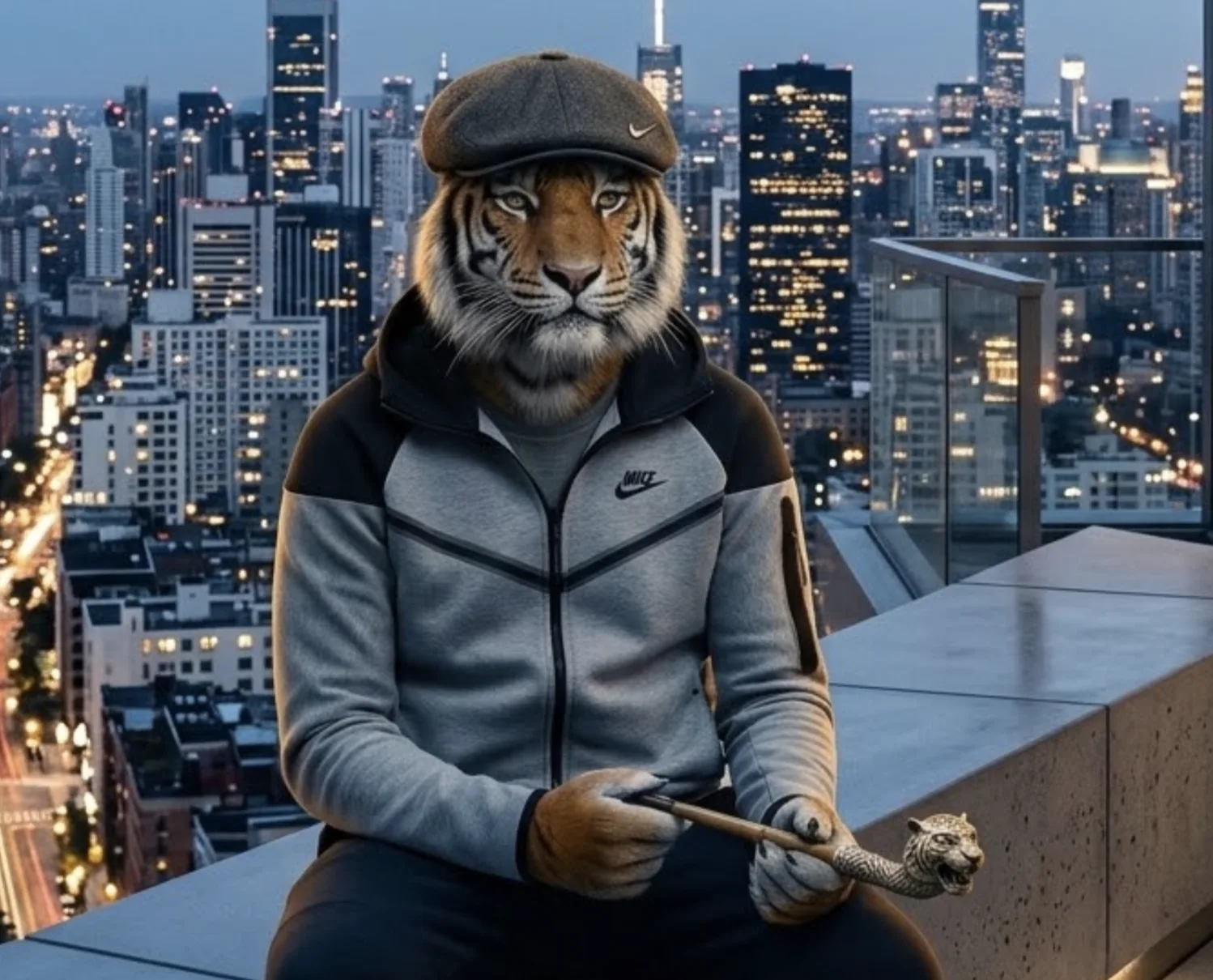
1. Nike Just Did That
Nike just did what most brands are terrified of: they rewrote their own mantra. Ask a first-semester advertising student to name an iconic brand and they'll usually blurt out “Nike.” Because among other reasons, “Just Do It” has been one of earth's most enduring imperatives for nearly four decades. But for a generation allergic to being called “try-hard” or “cringe,” the line needed a twist. A spin from doing it, to, “Why Do It?”
Narrated by Tyler the Creator, Nike's campaign doesn't dodge hesitation, it swerves into it. “Why chance it? Why risk failure? … But what if you don't?” Nike is naming the doubt that defines this generation, giving it a stamp of acceptance, and then flipping it into fuel. It's probably a line Nike has seen pitched in a dozen ways before. Today, it works because the brand is brave enough to say it to an audience that's wanting to hear it.
Our Takeaway: Don't run when the timing doesn't fit your brand. Nike didn't avoid the negative, they owned it. Winning over new audiences means saying the thing everyone else is afraid to say out loud.
(Sources: Collater.AL; Virgil Abloh/Nike; Ad Age)
2. The Sweeney Effect
I am more sick of Sydney Sweeney than I thought possible. But AE's “good jeans” spot undeniably lit up the culture machine. Within days, it had partisan commentators screaming, Fox News running loops, LinkedIn melting down, and even our Social-Manager-In-Chief posting about it from the White House.
The outrage was loud. As was the outrage about the outrage. And AE's stock screamed up 25%. But despite the cacophony, no one voicing their take on this campaign was the target consumer. Market orientation means remembering you are not the customer. And the actual denim-buying Gen Z response? “Meh.” The ad cut through culture, but the campaign has been very average with the very shoppers it was supposed to sway, while going gangbusters with guys in their 50s.
Our Takeaway: While scandal for the sake of scandal is not a creative idea, invisibility for the sake of safety is worse. Yet the point of disruption isn't noise or stock pops. The point must be clarity, and clarity means salience with your target. Without that, all you've done is make Sydney Sweeney more famous for older men who still shop at the mall.
(Sources: FT; AE earnings call; System1; ADWEEK)
3. Luxury's Crisis of Joy
Luxury hasn't collapsed. But it has curdled.
Since 2022, fifty million consumers have walked away from the purveyors of upper-crust lifestyle and the older haute houses. Prices in Europe are up 52 percent, but the elite experience feels flat. Creativity feels confident but cautious, and the joy is gone. And when joy disappears, status stops working. Seemingly, the only ones still having fun are the irrepressible “dandy streetwear” of Louis Vuitton and Loewe.
Rationally, luxury should be fine as long as people keep paying higher prices. But markets aren't rational, they are emotional ecosystems. Once joy drains out, the whole status economy collapses with it.
Our Takeaway: "It's the emotion, stupid." Luxury's biggest risk isn't from inflation, it's from joylessness. The original loyalty program wasn't perks or points, it was delight. Without it, even the elite will drift away.
(Sources: BoF; Bain; HSBC)
4. Language as Product
In 2025, brands can't just sell products, they need to be selling words.
From “Just Do It” and “Because You're Worth It,” to the Swifties, the BeyHive, and Charli XCX's “brat,” cultural power has come from language engineered to spread. Then there's fashion's Fentyverse, Miu Miu's “Miutine”, Dior's J'Adior, #MyCalvins, Balmain's Army, and Fendace, not to mention the spoken verbs Uber, Venmo, and Google which are even used when people Lyft, Zelle, or Safari. These aren't slogans, they are owned infrastructure.
Our Takeaway: In a culture drowning in noise, the riskiest thing is having nothing people can say. Language is the shortest route to cultural territory, and the more intentionally you speak, the more people will repeat it. If you don't give people words, you disappear from the conversation.
(Sources: Vogue; Matteo Azzolini; Substack)
This Week's Red Thread
From Nike's question to Sydney Sweeney's jeans, from luxury's emptiness to language as infrastructure, the signals all say the same thing: the way brands calculate risk might be broken.
The risks we traditionally fear — trying and failing, sparking controversy, sounding “cringe” — are almost always survivable. What's fatal is safer: silence, emptiness, forgettable words, joyless categories.
Maybe marketing's usual aversion to risk is really masking an inversion of risk. Bold isn't brave. Safe isn't safe. The craziest move in marketing isn't saying too much. It's saying what everyone else is saying and expecting to be heard.
— NB