SUNDAY/MONDAY SCARIES: The Labor Day Edition
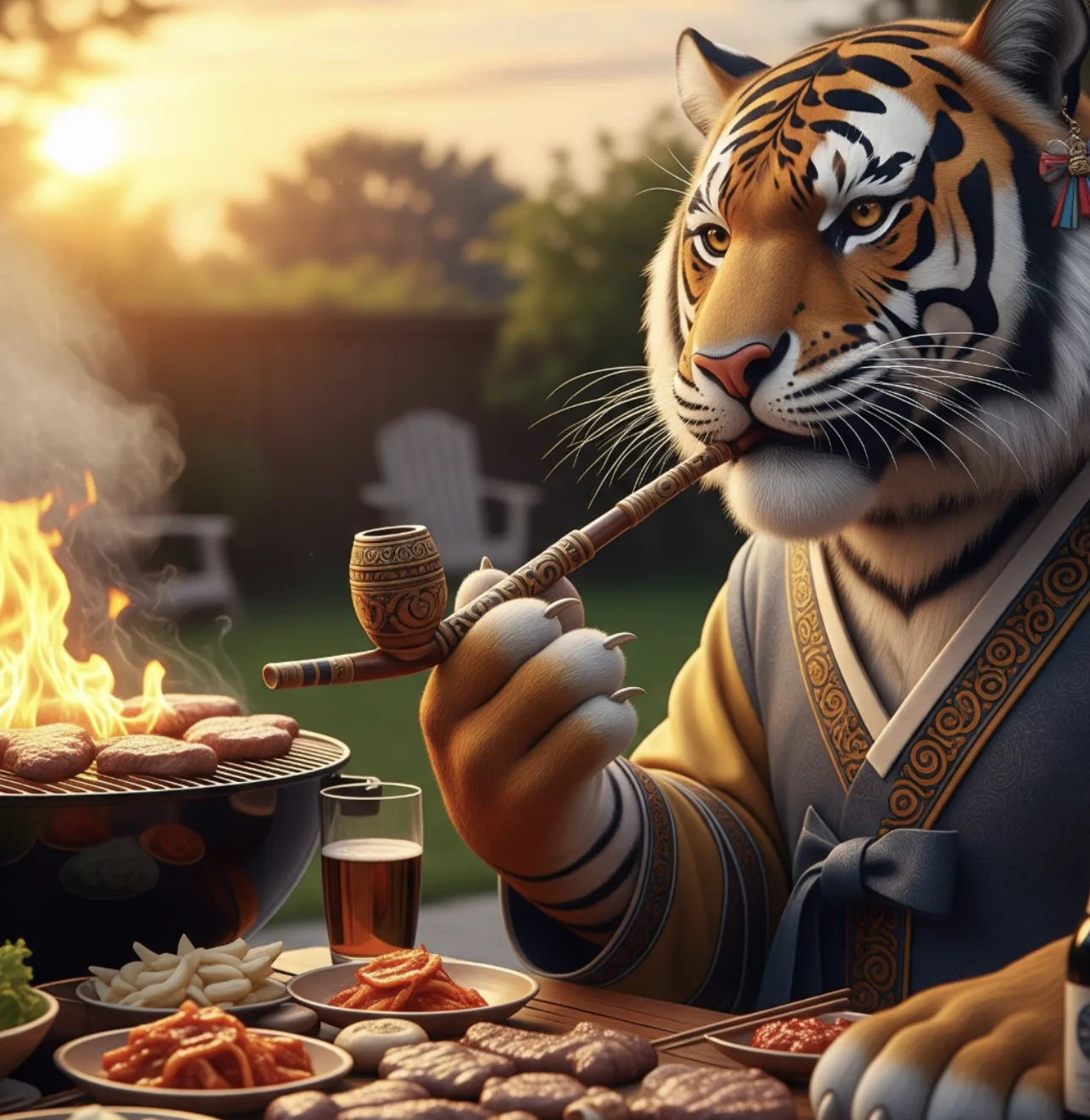
“Kimchi Burger, anyone...?” The Labor Day Edition. (Or, in this case, turning Labor Day lethargy into Tuesday triumph.)
1. Ads in the Machine Layer
Welp, here we go! AI chat ad networks (ZeroClick, Koah, Kontext) are already pitching themselves as the “Google Ads of the future” (an odd aspiration in itself). But when you see them inside your chat conversations, they feel as seamless as a 1998-era fluorescent pop-up banner. Upwork ran a test that was so jarring, it sparked a chorus of “Black Mirror” reactions. Until OpenAI or Google themselves create true integration, this is delusion, not destiny.
Lesson one is that brands shouldn't panic-purchase their way into this early experiment. But the real lesson here is about understanding trust. Many people consider their chatbot to be the last unbiased voice in their lives. If it's suddenly spouting out ads with all the subtlety of a drunk uncle at toast time, credibility will never recover.
(Sources: Ad Age; LinkedIn; ZeroClick)
2. Beauty's Attention Recession
While people love to call out AI Slop as “fake”, the so-called creator economy is pumping out more mindless content than ever (makeup posts +24%, skincare +22%, haircare +37%). Recently, however, the audiences have started skipping. Engagement in skincare alone has fallen more than 20%. The only ones whose numbers are going up are nano creators (under 10K followers) who feel authentic and relatable and aren't pitching “an amazing new discovery” five days a week. That group, which is smaller and less lucrative by necessity, is driving +27% engagement.
The lesson: beauty doesn't have a reach problem, it has a relevance problem. More content doesn't equal more connection. In an oversaturated market, resonance is the truest currency — and it compounds with clarity, not frequency.
(Sources: Traackr; Business Insider)
3. The Fragility of Authenticity
Connor Hubbard (@hubs.life) built a TikTok following by “normalizing the norm” of his 9-to-5 life. When he quit to become a full-time influencer, fans felt betrayed and his relatability evaporated. At the same time, a M.A.C cosmetics manager at LAX went viral for vlogging her “day in the life” and not the way she'd hoped. Her inside look included oversharing TSA codes, cash drawers, and even security zones and she was promptly and justly fired. Relatable? Sure. Employable? Not anymore.
The lesson: authenticity might be the most fragile brand asset. Betray it or abuse it, and your truth is gone. Guardrails, not gimmicks, are what build authenticity into equity.
(Sources: Dentsu Culture Dive; TikTok; Deadline)
4. Tayvis: Cross-Fandom Brand Bombing
Not sure if you caught the news last week, but Taylor Swift and Travis Kelce are now officially engaged, merging two of the loudest fandoms in modern culture. Music and NFL, Swifties with Chiefs Kingdom, identity with identity. Brands like Poppi, Walmart, and Wingstop rushed in like 13-year-old Swifties on a sugar high, but the over-saturation was nearly instant, and most attempts felt like uninspired gate-crashing.
The lesson: cross-fandom moments are rare but they demand smart restraint. If you don't have an ownable angle that aligns with your brand, don't just jump the turnstiles and start sprinting. Be a true fan from afar or stay out of the arena altogether. Savvy beats opportunism every time.
(Sources: The Atlantic; NPR; The Cut)
This Week's "Nantucket Red" Thread
From AI chat ads to creator fatigue, from HubsLife's identity crisis to Tayvis saturation, the lesson is the same: modern culture rewards those who know what they stand for and do so consistently. Everyone can play at relevance, but only the brands that play from their own center of gravity turn attention into belief. If you know your role, even an odd cameo can feel on-brand. Pretend you're something else, and the crowd will turn on you… fast.
Imagine culture in 2025 as one giant Labor Day BBQ:
Big brands can buy their way in with pricey booze.
Creators light fireworks until they burn out or blow up.
And most ads show up like bags of Uber Eats no one ordered.
But only brands with savvy self-awareness — and something real to say — get invited to sit at the table, pour a drink, and actually belong, (even with white pants on).
If you made it this far, thanks for reading!
— NB